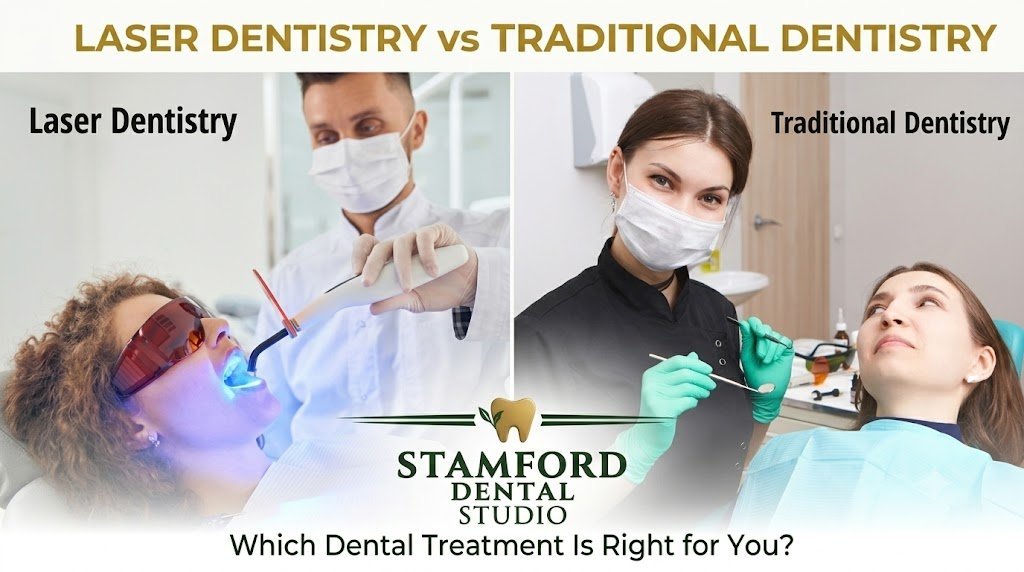
Dental care has come a long way over the years. Modern advancements have transformed the way dentists diagnose, treat, and manage oral health conditions, providing patients with more comfortable and effective treatment options. One of the most significant developments in modern dentistry is laser dentistry, a technology that offers a minimally invasive alternative to many traditional dental procedures.
While traditional dentistry remains the foundation of dental care and continues to deliver excellent results, laser dentistry has gained popularity because of its precision, reduced discomfort, and faster recovery times.
If you are considering a dental procedure and wondering whether laser dentistry or traditional dentistry is the better option, understanding the differences between the two can help you make an informed decision. In this guide, we’ll compare laser dentistry and traditional dentistry, discuss their benefits, and explain which treatment option may be best for your oral health needs.
What Is Laser Dentistry?
Laser dentistry uses highly focused beams of light energy to perform a variety of dental procedures. Depending on the type of laser being used, dentists can treat soft tissues such as gums or hard tissues such as teeth with remarkable precision.
Laser technology can be used for procedures including:
- ✓ Gum Disease Treatment
- ✓ Gum Contouring & Reshaping
- ✓ Cavity Detection
- ✓ Soft Tissue Lesion Removal
- ✓ Teeth Whitening Enhancement
- ✓ Frenectomies
- ✓ Canker Sore Treatment
- ✓ Certain Restorative Procedures
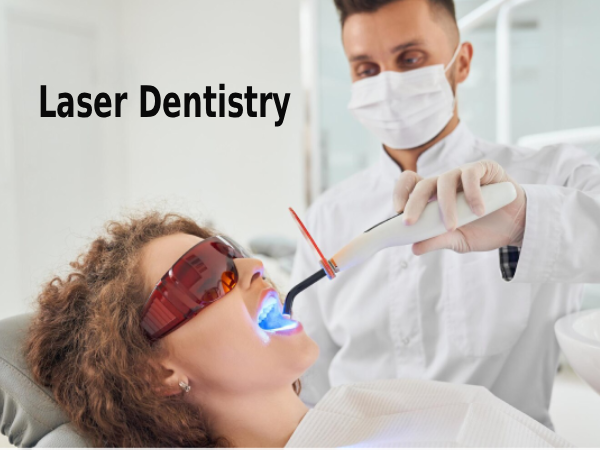
Because lasers target specific tissues while minimizing damage to surrounding areas, many patients experience less discomfort and quicker healing compared to conventional methods.
What Is Traditional Dentistry?
Traditional dentistry relies on conventional dental tools and techniques to diagnose and treat oral health concerns. Common instruments include dental drills, scalpels, hand tools, and sutures.
These methods have been successfully used for decades and remain essential for many restorative, preventive, and surgical procedures.
Traditional dentistry is commonly used for:
- ✓ Dental fillings
- ✓ Crowns and bridges
- ✓ Root canal therapy
- ✓ Tooth extractions
- ✓ Dental implant procedures
- ✓ Orthodontic treatments
- ✓ Preventive care
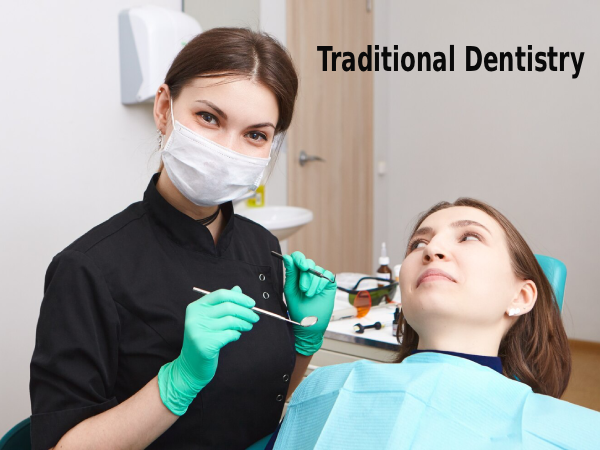
Although newer technologies continue to emerge, traditional dental techniques remain highly effective and are often necessary for more complex cases.
How Laser Dentistry Works
Dental lasers generate concentrated light energy that interacts with targeted tissues. Depending on the procedure, the laser may cut tissue, remove bacteria, reshape gums, or stimulate healing.
Unlike traditional instruments that physically contact the treatment area, lasers work with focused light energy. This often allows for greater precision and reduced trauma to surrounding tissues.
Many laser procedures can be completed with little or no bleeding because the laser seals blood vessels as it works. In addition, the sterilizing effect of laser energy can help reduce bacteria in the treatment area.
How Traditional Dental Procedures Work
Traditional dental procedures involve the use of mechanical instruments to remove damaged tissue, shape teeth, or perform surgical treatments.
For example:
- Dental drills remove tooth decay before a filling is placed.
- Scalpels are used during certain gum procedures.
- Hand instruments assist in cleaning and shaping teeth.
- Sutures may be used to close surgical areas after treatment.
These techniques have a long history of clinical success and remain a critical part of modern dental care.
Laser Dentistry vs Traditional Dentistry: Key Differences
When comparing laser dentistry and traditional dentistry, several factors influence the patient experience and treatment outcomes.
Treatment Precision
Laser dentistry is known for its exceptional precision. The laser can target specific tissues while preserving nearby healthy structures.
Traditional techniques are also precise when performed by skilled professionals, but lasers often provide an added level of accuracy for soft tissue procedures.
Patient Comfort
Many patients find laser treatments more comfortable because there is less vibration, pressure, and noise compared to traditional dental drills.
This can be particularly beneficial for individuals who experience dental anxiety or sensitivity during treatment.
Pain and Anesthesia
Laser procedures often require less local anesthesia than traditional treatments because they are less invasive and create less tissue trauma.
Traditional procedures may require anesthesia depending on the complexity of the treatment.
Bleeding and Swelling
Laser dentistry typically results in less bleeding because the laser seals blood vessels during treatment.
Patients also tend to experience reduced swelling and inflammation compared to conventional surgical techniques.
Recovery Time
One of the most significant advantages of laser dentistry is faster recovery.
Because laser procedures are minimally invasive, patients often experience:
- Less discomfort
- Reduced swelling
- Faster tissue healing
- Shorter downtime
Traditional procedures may require longer recovery periods depending on the treatment performed.
Comparison Table: Laser Dentistry vs Traditional Dentistry
| Feature | Laser Dentistry | Traditional Dentistry |
|---|---|---|
| Precision | High | Moderate to High |
| Patient Comfort | Excellent | Good |
| Bleeding | Minimal | More Common |
| Recovery Time | Faster | Longer |
| Need for Sutures | Rare | Often Required |
| Dental Anxiety Friendly | Yes | Moderate |
| Tissue Damage | Minimal | Greater |
| Healing Speed | Faster | Standard |
Benefits of Laser Dentistry
Minimally Invasive Treatment
Laser dentistry allows dentists to perform many procedures without extensive cutting or tissue removal.
This approach helps preserve healthy tissue while effectively treating the problem area.
Reduced Discomfort
Many patients report less discomfort during and after laser procedures.
Reduced trauma to surrounding tissues often results in a more pleasant treatment experience.
Faster Healing
Because lasers are highly precise, tissues can heal more quickly compared to traditional surgical methods.
Patients often return to their normal routines sooner.
Improved Accuracy
Laser technology allows dentists to target treatment areas with a high degree of precision, improving overall treatment outcomes.
Reduced Risk of Infection
Laser energy can help eliminate bacteria in the treatment area, potentially lowering the risk of infection and supporting healthier healing.
Advantages of Traditional Dentistry
Although laser dentistry offers many benefits, traditional dentistry remains an essential part of comprehensive dental care.
Effective for Complex Procedures
Certain procedures still require traditional techniques, including:
- Extensive restorative work
- Complex oral surgeries
- Large cavity restorations
- Some dental implant procedures
Proven Long-Term Results
Traditional dental methods have been refined through decades of research and clinical experience.
They continue to provide predictable and reliable outcomes for patients worldwide.
Broad Treatment Applications
Not every dental procedure can be completed with laser technology alone.
Traditional tools remain necessary for many restorative and surgical treatments.
Common Dental Procedures Performed With Lasers
Laser dentistry can be used for a variety of treatments, including:
Gum Disease Treatment
Lasers can remove infected gum tissue and reduce bacteria associated with periodontal disease.
Gum Reshaping
Patients seeking cosmetic smile improvements may benefit from laser gum contouring, which creates a more balanced and attractive gum line.
Soft Tissue Procedures
Lasers are frequently used for:
- Frenectomies
- Soft tissue biopsies
- Removal of oral lesions
- Treatment of canker sores
Teeth Whitening
Some whitening systems use laser technology to accelerate the whitening process and enhance results.
When Traditional Dentistry May Be the Better Choice
Laser dentistry is not always the ideal solution for every patient or procedure.
Traditional methods may be recommended when:
- Significant tooth reconstruction is needed
- Crowns require extensive preparation
- Surgical extractions are necessary
- Complex restorative treatments are involved
- Structural repairs extend beyond the capabilities of laser systems
Your dentist will evaluate your condition and recommend the most appropriate treatment option.
Who Is a Good Candidate for Laser Dentistry?
Laser dentistry may be an excellent choice for patients who:
- Experience dental anxiety
- Prefer minimally invasive procedures
- Want faster healing and recovery
- Require gum-related treatments
- Desire greater comfort during dental care
Laser Dentistry for Patients With Dental Anxiety
Dental anxiety affects millions of people and often prevents individuals from seeking necessary care.
One of the reasons laser dentistry has become increasingly popular is its ability to create a more comfortable treatment experience.
Because many laser procedures involve less drilling, vibration, and noise, patients often feel more relaxed throughout treatment.
For individuals who have avoided dental visits due to fear or anxiety, laser dentistry may provide a more positive and stress-free experience.
Frequently Asked Questions
Is Laser Dentistry Painful?
Most patients experience minimal discomfort during laser procedures. In many cases, less anesthesia is required compared to traditional treatments.
Is Laser Dentistry Safe?
Yes. When performed by trained dental professionals, laser dentistry is considered a safe and effective treatment option.
Does Laser Dentistry Heal Faster?
Many patients experience faster healing because laser procedures are minimally invasive and cause less tissue trauma.
Is Laser Dentistry More Expensive?
Costs vary depending on the procedure and technology used. While some laser treatments may involve higher fees, many patients value the added comfort and convenience.
Can Lasers Replace All Traditional Dental Procedures?
No. Although lasers are highly effective for many treatments, traditional dental tools remain necessary for certain restorative and surgical procedures.
Choosing the Right Dental Treatment for Your Needs
Both laser dentistry and traditional dentistry offer unique advantages.
 Laser dentistry:
- Greater comfort
- Enhanced precision
- Faster healing
- Reduced bleeding
- Minimally invasive care
Traditional dentistry:
- Versatility
- Proven long-term effectiveness
- Broad treatment capabilities
- Reliable outcomes for complex procedures
The best choice depends on your specific oral health needs, treatment goals, and your dentist’s professional recommendations.
Final Thoughts
The evolution of dental technology has created exciting opportunities for patients seeking more comfortable and efficient treatment options. Laser dentistry offers numerous benefits, including improved precision, reduced discomfort, less bleeding, and faster recovery times. At the same time, traditional dentistry continues to serve as the foundation of comprehensive dental care and remains essential for many restorative and surgical procedures.
Rather than viewing one treatment approach as superior to the other, it is important to recognize that both play valuable roles in modern dentistry. A qualified dental professional can evaluate your oral health, discuss your treatment goals, and recommend the approach that delivers the best possible outcome.
Whether your treatment involves advanced laser technology, traditional techniques, or a combination of both, prioritizing your oral health today can help you maintain a healthier, stronger, and more confident smile for years to come.
Related Posts

Ready for a healthier, brighter smile?
Talk to our Stamford dental team — gentle, judgment-free care for every age.