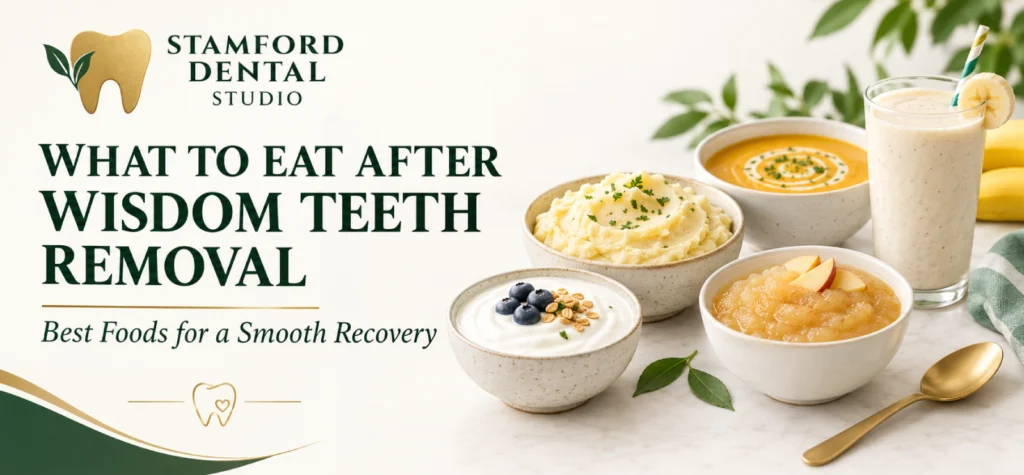
Having your wisdom teeth removed can make eating difficult for several days. Your jaw may feel sore, your cheeks may swell, and chewing can put pressure on the areas where your teeth were removed. Even familiar foods such as bread, meat, and rice may be uncomfortable to eat.
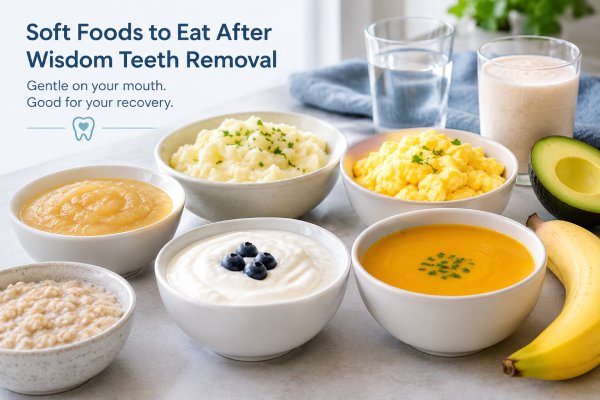
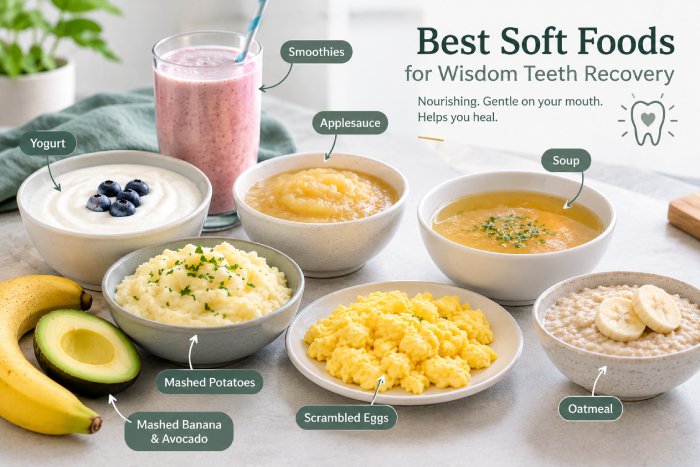
Choosing soft foods helps you get the nutrition you need without putting unnecessary pressure on the healing areas. Yogurt, mashed potatoes, applesauce, scrambled eggs, and smooth soups are common choices after wisdom teeth removal.
Your food choices will depend on how many teeth were removed, whether your wisdom teeth were impacted, and how your mouth is healing. Your dentist may recommend a soft-food diet for several days or longer after surgery.
What Can You Eat After Wisdom Teeth Removal?
After wisdom teeth removal, choose foods that are soft, smooth, and easy to swallow. You should not need to chew hard or open your mouth widely to eat them.
Some suitable choices include:
- Plain yogurt without seeds or crunchy toppings
- Applesauce
- Mashed potatoes
- Soft scrambled eggs
- Smooth soup served lukewarm
- Mashed bananas
- Avocado mashed with a fork
- Well-cooked oatmeal
- Smooth pudding
- Blended foods that do not contain hard pieces
Drink water regularly from a cup. Avoid using a straw while your dentist advises against it, because suction can disturb the blood clot at the extraction site.
1. Best Foods to Eat After Wisdom Teeth Removal
Yogurt
Plain yogurt is easy to eat and requires little chewing. It also provides protein, which helps meet your nutritional needs during recovery.
Choose smooth yogurt without nuts, granola, seeds, or crunchy fruit pieces. If cold foods cause discomfort, let the yogurt sit briefly until it reaches a more comfortable temperature.
Mashed Potatoes
Mashed potatoes are a filling option when chewing is uncomfortable. Prepare them until smooth, without lumps or crispy toppings.
Let them cool before eating. Very hot foods can irritate the surgical area, especially during the early stages of recovery.
Scrambled Eggs
Soft scrambled eggs provide protein and make a suitable meal when you feel ready for something more substantial.
Cook them until tender rather than dry or firm. Cut them into small pieces and chew gently if chewing is comfortable.
Applesauce
Applesauce is a convenient choice for the first few days because it does not require chewing. Choose a smooth variety without fruit chunks.
It can be eaten on its own or alongside other soft foods.
Smooth Soups
Blended vegetable soup, smooth pumpkin soup, and strained broth can help you maintain your fluid intake and add variety to your meals.
Allow soup to cool to lukewarm before eating. Avoid soups with hard vegetables, seeds, croutons, or other pieces that may irritate the extraction site.
Mashed Bananas and Avocados
Ripe bananas and avocados can be mashed until smooth. They provide energy and nutrients without requiring much jaw movement.
Avoid adding nuts, seeds, or crunchy toppings during the early healing period.
Oatmeal
Well-cooked oatmeal can be a suitable breakfast once you are comfortable eating thicker foods. Cook it until soft and allow it to cool.
Skip granola, nuts, and whole seeds. If oatmeal feels too thick or difficult to swallow, choose a smoother alternative.
2. What to Eat After Wisdom Teeth Removal on Day 1
The first 24 hours after surgery are important because a blood clot forms in the extraction site. This clot protects the underlying tissue while healing begins.
If your mouth is still numb, wait until you can swallow safely before eating. Follow any instructions your dentist gives you about eating and drinking after anesthesia or sedation.
Suitable foods may include:
- Smooth yogurt
- Applesauce
- Pudding without hard pieces
- Cool or room-temperature liquids
- Smooth soup that has cooled sufficiently
- Other soft foods approved by your dentist
Start with small portions and eat slowly. If you feel nauseated after sedation, follow the instructions provided by your dental team.
Avoid hot foods and drinks while your mouth is numb. You may not notice a burn or realize that you are biting your cheek or tongue.
Do not use a straw, spit forcefully, or rinse your mouth vigorously during the initial healing period. These actions can disturb the blood clot and increase the risk of dry socket.
3. What to Eat on Days 2 and 3
Swelling and jaw soreness may become more noticeable during the first few days after wisdom teeth removal. You may still find chewing uncomfortable, particularly if your teeth were impacted or several teeth were removed.
Continue eating soft foods that do not require much effort to chew.
Good options include:
- Mashed potatoes
- Soft scrambled eggs
- Smooth soups
- Yogurt
- Applesauce
- Mashed bananas
- Well-cooked oatmeal
- Soft, mashed vegetables
Eat slowly and take small bites. Avoid chewing near the extraction sites when possible.
If your jaw feels tired after a few bites, choose foods that require even less chewing. There is no need to rush into a normal diet.
Contact your dentist if your pain becomes severe, swelling continues to worsen, or you develop a fever.
4. What to Eat During Days 4 Through 7
You may be able to add more variety to your meals as your mouth becomes more comfortable. However, not everyone is ready for firmer foods at the same time.
Depending on your recovery, you may gradually try:
- Soft pasta
- Tender fish that flakes easily
- Well-cooked vegetables
- Soft pancakes
- Moist, finely chopped chicken
- Soft rice if your dentist says it is appropriate and you can keep the area clean
- Scrambled eggs
- Other foods that require minimal chewing
Start with small portions. If a food causes pain or puts pressure on the extraction site, stop eating it and return to softer options.
Avoid chips, popcorn, nuts, and other hard foods while the extraction sites remain tender. Small food particles can become trapped around the healing areas.
If your surgery was complicated or your wisdom teeth were impacted, you may need to avoid firmer foods for longer. Follow the instructions from your treating dentist.
5. When Can You Eat Solid Food After Wisdom Teeth Removal?
There is no single day when every patient can safely return to solid food. Your recovery depends on the type of extraction, the number of teeth removed, and how quickly the surgical sites heal.
Use these stages as general guidance:
- First 24 hours: Choose liquids and very soft foods when you can swallow safely and your dentist permits eating.
- Days 2–3: Continue with soft foods that require little chewing.
- Days 4–7: Gradually try foods with more texture if your pain has improved and your dentist agrees.
- After the first week: Continue returning to your usual diet as comfort and healing allow.
These timeframes are not a guarantee. Some patients need a soft-food diet for longer than a week.
If chewing remains painful, do not force yourself to eat solid foods simply because several days have passed.
For more information about cleaning your mouth, managing swelling, and caring for the extraction sites, read our Wisdom Teeth Removal Instructions page.
6. Foods to Avoid After Wisdom Teeth Removal
Certain foods can irritate the extraction site, become trapped in the socket, or require more chewing than your jaw can comfortably manage.
Hard and Crunchy Foods
Avoid chips, popcorn, nuts, pretzels, hard crackers, and hard candy during the early healing period. Sharp pieces can irritate the surgical area.
Foods With Small Seeds
Sesame seeds, chia seeds, and seeded berries may leave particles around the extraction site. Choose smooth alternatives while your mouth is healing.
Sticky and Chewy Foods
Caramel, toffee, chewing gum, and tough meat can be difficult to chew. Wait until your dentist says you can return to these foods.
Spicy and Acidic Foods
Hot peppers, spicy sauces, citrus fruits, and acidic dressings may irritate sensitive tissues. Avoid them if they cause burning or discomfort.
Very Hot Foods and Drinks
Allow soup, tea, and other hot items to cool before eating or drinking them. This is particularly important while numbness remains.
Alcohol, Smoking, and Vaping
Alcohol may interact with prescribed medications, and smoking or vaping can interfere with healing. Follow your dentist’s instructions about when these activities can be resumed.
Avoid smoking and vaping during the period recommended by your dental provider. Do not assume that a few days without symptoms means the extraction site has healed.
7. Can You Eat Pizza, Rice, Chips, or Ice Cream After Wisdom Teeth Removal?
Patients often want to know when they can return to their usual meals. The answer depends on the food’s texture and your stage of recovery.
Can You Eat Pizza After Wisdom Teeth Removal?
Pizza crust can be chewy or crunchy, and toppings may require considerable chewing. Avoid regular pizza during the early recovery period.
Wait until you can chew comfortably and your dentist says firmer foods are appropriate.
Can You Eat Rice After Wisdom Teeth Removal?
Soft, well-cooked rice may be suitable later in recovery, but individual grains can become trapped near the extraction sites.
If you are still in the early healing period, choose smoother foods. Follow your dentist’s instructions for keeping the area clean.
Can You Eat Chips After Wisdom Teeth Removal?
It is best to avoid chips while your extraction sites are healing. Their sharp edges can irritate the tissue, and small fragments can become lodged around the socket.
Return to crunchy foods only when your dentist says it is safe.
Can You Eat Ice Cream After Wisdom Teeth Removal?
Smooth ice cream without nuts, candy pieces, or crunchy toppings may be comfortable for some patients. Avoid anything that causes sensitivity or discomfort.
Ice cream can be an occasional snack, but include other nutritious foods to meet your daily needs.
8. Tips for Eating Comfortably After Wisdom Teeth Removal
A few simple habits can help you manage meals while your mouth heals.
Prepare food ahead of time. Keep yogurt, applesauce, eggs, potatoes, and other soft foods available before your procedure.
Eat smaller meals. Several small meals may be easier to manage than large portions when your jaw is sore.
Drink water regularly. Use a cup rather than a straw while suction should be avoided.
Choose foods with protein. Eggs, yogurt, and other suitable protein sources help you meet your nutritional needs.
Avoid forceful chewing. Take small bites and stop if eating becomes painful.
Follow your oral hygiene instructions. Brush as directed by your dentist and follow their advice about rinsing. Do not poke the extraction site with a toothpick or other object.
Follow your prescribed recovery plan. Your dentist may provide specific instructions based on the complexity of your surgery.
9. When Should You Contact Your Dentist?
Some soreness, swelling, and minor bleeding can occur after wisdom teeth removal. However, certain symptoms should not be ignored.
Contact your dental provider if you experience:
- Severe or worsening pain
- Bleeding that does not stop with the recommended pressure
- Swelling that continues to worsen
- Fever or signs of infection
- Persistent vomiting or difficulty maintaining fluid intake
- Increasing pain accompanied by a bad taste or odor
- Difficulty swallowing
Severe difficulty swallowing or difficulty breathing requires emergency medical attention.
Dry socket can occur when the blood clot is lost or breaks down too early. It can cause significant pain, sometimes extending toward the ear. If you suspect dry socket, contact your dentist rather than trying to treat the socket yourself.
If you have questions about your recovery after wisdom teeth removal in Stamford, CT, contact your dental provider for guidance.
Frequently Asked Questions
What are the best foods to eat after wisdom teeth removal?
Yogurt, applesauce, mashed potatoes, soft scrambled eggs, smooth soups, and mashed bananas are common choices. Choose foods that require little chewing and do not contain hard pieces or seeds.
What should I eat on the first day after wisdom teeth removal?
Once you can swallow safely and your dentist permits eating, start with liquids and very soft foods. Avoid hot foods, crunchy ingredients, and anything that requires forceful chewing.
How long should I eat soft foods after wisdom teeth removal?
Many patients need soft foods for several days, while others need them for a week or longer. The length of time depends on the procedure and your healing progress.
When can I eat normally after wisdom teeth removal?
Return to your usual diet gradually as your pain improves and chewing becomes comfortable. Hard and crunchy foods may need to be avoided for longer. Follow your dentist’s advice.
Can I drink through a straw after wisdom teeth removal?
Avoid straws during the period specified by your dentist. Suction can disturb the blood clot and increase the risk of dry socket.
Can I drink coffee after wisdom teeth removal?
Follow your dentist’s instructions. Avoid hot coffee while your mouth is numb or the extraction sites are fresh. Let the drink cool and avoid ingredients that cause discomfort.
Can I eat solid food three days after wisdom teeth removal?
Some patients can begin eating soft, more substantial foods after three days, while others still need a very soft diet. Let your comfort and your dentist’s instructions guide your food choices.
What should I do if food gets stuck in the extraction site?
Do not poke the socket with a toothpick, finger, or other object. Follow your dentist’s instructions for gentle rinsing or irrigation. Contact your dental provider if you cannot clear the area safely or develop increasing pain or swelling.
Questions About Wisdom Teeth Recovery?
Eating the right foods after wisdom teeth removal can help you stay nourished while your mouth heals. Start with soft foods, drink water regularly, and return to firmer meals gradually.
If you have concerns about pain, swelling, stitches, or what you can eat, follow the instructions from your treating dental professional.
Stamford Dental Studio
95 Morgan Street, Suite 1A
Stamford, CT 06905
Phone: (203) 327-7498
Website: https://stamforddentalstudio.com/
Read our Wisdom Teeth Removal Instructions
This article provides general educational information and does not replace personalized advice from your dental professional.
Related Posts


Ready for a healthier, brighter smile?
Talk to our Stamford dental team — gentle, judgment-free care for every age.