Lips, cheeks and gums
We look at the lips and the inside of the cheeks, and check the gums around every tooth.
- Lips, inside and out
- Inner cheeks
- Gums

Dental Services
A quick, painless check of your mouth, head and neck, done as part of your regular exam. It helps us spot changes early and tell you if anything needs a closer look.
The basics
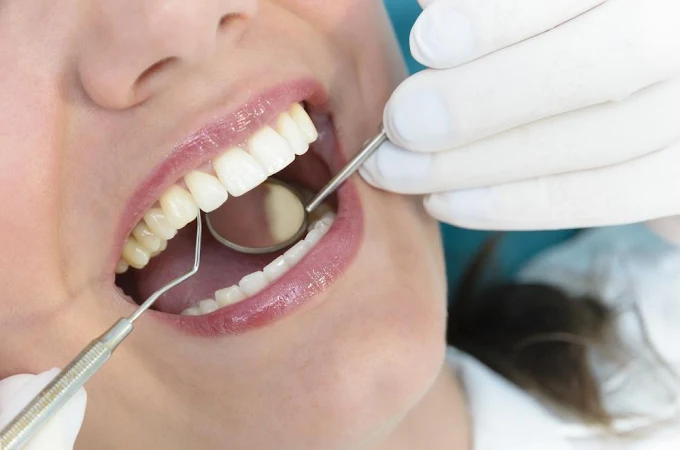
An oral cancer screening is a short check in which your dentist looks at and gently feels your mouth, head and neck for anything unusual, such as a sore, patch or lump. It's part of your comprehensive dental exam and takes only a few minutes.
Oral cancer can develop in any part of the mouth or the nearby areas of the head and neck. Early changes often don't cause pain or other symptoms, so you may not notice them yourself. A regular professional check helps find changes early, when they are generally simpler to look into and manage.
What we check
Your dentist checks every part of the mouth where oral cancer most often occurs, along with the head and neck area for lumps or swelling.
We look at the lips and the inside of the cheeks, and check the gums around every tooth.
You'll be asked to lift and move your tongue so we can see all its surfaces and the area underneath it.
We check the roof of the mouth and the back of the throat, then gently feel the neck and jaw.
Risk factors
Every adult benefits from a routine screening at their checkups. It's especially worth keeping to your schedule if any of these apply. Having a risk factor doesn't mean you will develop oral cancer; it simply means regular checks are a good idea.
How it works
At Stamford Dental Studio, the screening is part of your comprehensive exam. There's nothing you need to do to prepare.
We ask about your medical and dental history, recent health changes and anything you've noticed since your last visit.
We look carefully at your mouth, tongue, gums, cheeks, palate and throat for sores, patches or color changes.
We feel the head, neck and jaw area for lumps, swelling or tenderness. It's quick and shouldn't hurt.
We tell you what we saw. Most of the time all is clear. If something needs a closer look, we explain the next steps.
Good to know
A screening tells us whether anything looks or feels unusual. It can't tell us what a change is. Only further tests, such as a biopsy reviewed by a specialist, can confirm a diagnosis.
Most changes we find turn out to have everyday causes, like a cheek bite, irritation from a sharp tooth or denture, or a minor infection. Finding something during a screening doesn't mean you have cancer.
Between visits
Contact our office if you notice any of the changes listed here. Most have simple, harmless causes, but anything that hasn't cleared up after about two weeks is worth having checked.
A quick look in the mirror after brushing is enough. Check your lips, gums, cheeks and tongue.
Small sores from a bite or burn usually heal within a week or two.
If a change lasts, comes back or worries you, call us. We'll book you in to take a look.
Everyday habits
You can lower your risk by avoiding tobacco, limiting alcohol, protecting your lips from the sun and keeping up with regular dental checkups.
Reviewed by Dr. Joshua Matatov. This page provides general educational information. Recommendations are made after an individual evaluation.
Book a checkupSmoking and chewing tobacco both raise risk.
Especially heavy or regular drinking.
Use a lip balm with SPF when you're outdoors.
A balanced diet and regular exams support oral health.
FAQ
No. Your dentist looks inside your mouth and gently feels your head and neck. Nothing is cut or injected, and there's no recovery time.
Usually just a few minutes. It's done during your comprehensive dental exam, so you don't need a separate appointment.
For most people, at their regular dental checkups. Your dentist may suggest checking certain areas more often if you have risk factors or a change that needs watching.
No. A screening is not a diagnosis. Most changes have harmless causes such as irritation or a minor infection. If something needs a closer look, we'll explain why and recommend the next step, which may be a re-check or further evaluation.
We'll explain what we saw and the options for evaluating it. Sometimes that's a follow-up visit to see if the area has healed; other times it's a referral to a specialist who can run tests.
Yes, it's still a good idea. Oral cancer can occur in people without obvious risk factors, and the check is quick and painless as part of your exam.
No special preparation is needed. Let us know about any changes in your health or medications, and mention any sore, patch or lump you've noticed.
Visit us
Stamford Dental Studio is at 95 Morgan Street, Suite 1A, Stamford, CT. Call (203) 327-7498 to request an appointment with Dr. Joshua Matatov.
Request an appointment