
Tooth pain is easy to ignore at first. Many people wait, hoping the discomfort will disappear, but ongoing tooth pain can sometimes indicate infection inside the tooth.
Root canal treatment is designed to remove infection, relieve discomfort, and preserve your natural tooth whenever possible.
At Stamford Dental Studio, we help patients identify dental problems early and provide treatment focused on comfort and long-term oral health.
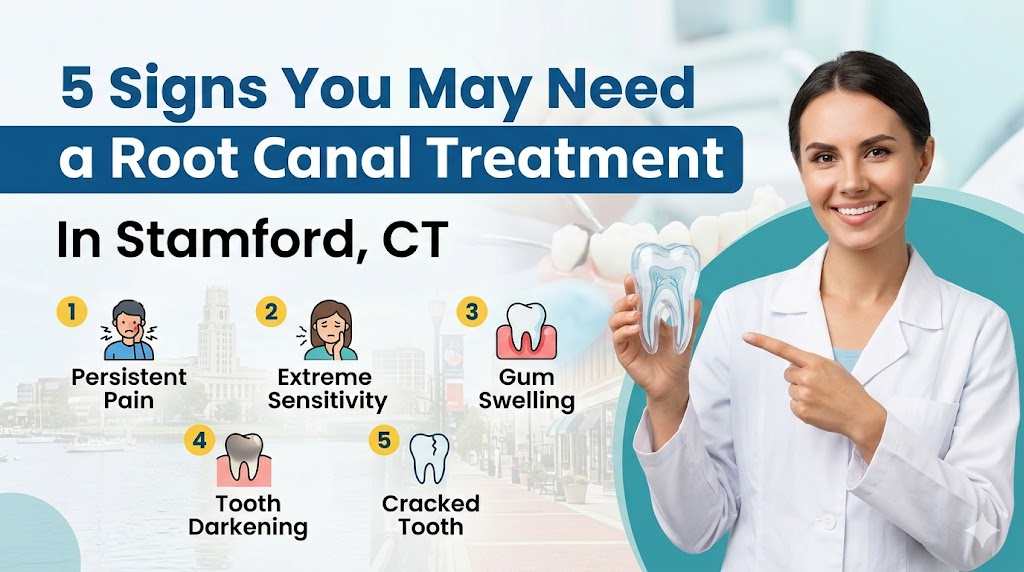
If you are noticing ongoing tooth pain, sensitivity, or swelling, these are five signs you may need root canal treatment in Stamford, CT.
Table of Contents
What Is a Root Canal Treatment?
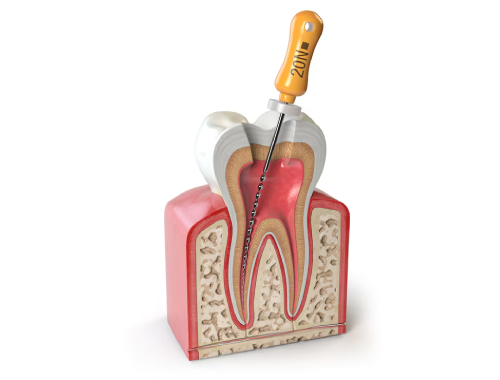
A root canal is a dental procedure used to treat infection inside the tooth. When bacteria reach the inner pulp of the tooth, it can cause pain, swelling, and sensitivity. During the procedure, the infected tissue is removed, the inside of the tooth is cleaned, and the tooth is sealed to prevent future infection.
Root canal treatment helps save your natural tooth and prevents the need for extraction.
Many patients are surprised to learn that modern root canal treatment is completed with local anesthesia and is designed to relieve pain caused by infection.
What Causes a Tooth to Need a Root Canal?
A root canal may become necessary when bacteria reach the inner pulp of the tooth through:
• Deep tooth decay
• Cracked or broken teeth
• Repeated dental procedures
• Dental trauma or injury
• Untreated cavities
Early diagnosis can often prevent more extensive treatment.
1. Persistent Tooth Pain That Lasts More Than a Few Days
Pain that becomes stronger over time or interrupts sleep should not be ignored.
This pain may:
- Feel sharp or throbbing
- Become worse while chewing
- Spread to the jaw or surrounding teeth
- Come and go throughout the day
- Wake you up at night
Occasional tooth sensitivity can happen for many reasons, but constant pain is often a sign that the inner nerve of the tooth is inflamed or infected.
Ignoring tooth pain may allow the infection to spread deeper into the tooth and surrounding gums. Early treatment can often save the tooth before the problem becomes more serious.
If you are dealing with severe tooth pain, visiting an emergency dentist in Stamford as soon as possible is important.
2. Sensitivity to Hot or Cold Foods and Drinks
Sensitivity that lingers after exposure to hot or cold temperatures may suggest irritation or infection inside the tooth.
Tooth sensitivity that lingers for several seconds — or even minutes — after exposure to hot or cold temperatures may indicate nerve damage inside the tooth.
Common symptoms include:
- Sharp pain from cold drinks
- Lingering sensitivity after hot foods
- Discomfort while brushing teeth
- Sensitivity focused in one tooth
This happens because the protective layers of the tooth may be damaged, allowing heat and cold to reach the infected nerve tissue.
While mild sensitivity can sometimes be treated with toothpaste or fillings, deeper sensitivity may require root canal therapy to fully remove the infection and protect the tooth.
3. Swollen or Tender Gums
Localized gum swelling near one tooth can sometimes indicate inflammation or infection below the surface.
You may notice:
- Gum tenderness
- Puffiness around the tooth
- Pain while chewing
- A small bump near the gums
- Swelling in the face or jaw
Sometimes a dental abscess forms near the infected tooth. This is a pocket of infection that can become serious if not treated quickly.
In some cases, the swelling may temporarily improve and return later, making patients believe the issue has resolved. Unfortunately, dental infections rarely heal without treatment.
Prompt care from a dental professional can stop the infection before it spreads to surrounding teeth, bone, or gum tissue.
4. Darkening or Discoloration of a Tooth
Changes in tooth color can occasionally signal reduced blood flow or internal damage.
This discoloration often occurs when the nerve inside the tooth begins to die because of:
- Deep decay
- Dental trauma
- Untreated infection
- Cracks in the tooth
Unlike surface stains caused by coffee or smoking, internal tooth discoloration usually affects only one tooth and cannot be fixed with whitening treatments alone.
A dental examination and digital X-rays can help determine whether root canal treatment is necessary to save the tooth.
5. Pain When Chewing or Touching the Tooth
Pain during chewing may suggest irritation in the tooth root or surrounding tissues.
You may experience:
- Pain while eating
- Sensitivity when touching the tooth
- Difficulty chewing on one side
- Pressure around the gums
As infection spreads, the surrounding tissues become inflamed, making even normal chewing uncomfortable.
Many patients try chewing on the opposite side of the mouth to avoid pain, but delaying treatment can worsen the infection over time.
Seeking professional dental care early can help prevent tooth loss and reduce the need for more complex procedures later.
How Dentists Diagnose the Need for a Root Canal
Your dentist may evaluate:
• Symptoms and dental history
• Digital dental X-rays
• Tooth sensitivity testing
• Gum and bite examination
The goal is to determine whether the tooth can be preserved safely.
When Should You Visit a Dentist Immediately?
You should contact a dentist immediately if you experience:
- Severe tooth pain
- Facial swelling
- Fever with dental pain
- Pus near the gums
- Difficulty chewing
- Sudden tooth discoloration
- Persistent sensitivity
Dental infections can become serious when left untreated. Early diagnosis helps protect your oral health and may reduce overall treatment costs.
Patients searching for root canal treatment in Stamford, CT often wait until symptoms become unbearable. However, addressing the issue early usually leads to a smoother and more comfortable experience.
Is a Root Canal Painful?
One of the most common myths about root canals is that they are painful.
In reality, modern dental technology and local anesthesia make the procedure much more comfortable than most people expect. Root canal treatment is actually designed to relieve pain caused by infection.
After treatment, most patients return to normal activities within a short time and experience significant relief from discomfort.
Benefits of Root Canal Treatment
Choosing root canal therapy offers several important benefits:
- Saves your natural tooth
- Relieves tooth pain
- Prevents infection from spreading
- Restores chewing ability
- Improves long-term oral health
- Helps avoid tooth extraction
Keeping your natural teeth whenever possible is usually the best option for maintaining proper bite alignment and overall dental function.
Need Root Canal Treatment in Stamford, CT?
If you are experiencing persistent tooth pain, swelling, pressure, or sensitivity, early evaluation may help prevent complications.
Call Stamford Dental Studio at (203) 327-7498 to schedule an appointment.
Frequently Asked Questions
41. How do dentists determine if a root canal is necessary?
A dentist evaluates symptoms, performs an oral examination, and may use digital X-rays to assess infection inside the tooth.
2. Is root canal treatment painful?
Modern root canal treatment is typically no more uncomfortable than getting a dental filling. Local anesthesia helps keep the procedure comfortable while removing the infection and relieving pain.
3. How long does a root canal procedure take?
Most root canal treatments can be completed in one or two visits, depending on the condition of the tooth and the level of infection.
4. What happens if I delay root canal treatment?
Delaying treatment may allow the infection to spread deeper into the tooth, gums, or jawbone. This can lead to severe pain, swelling, abscess formation, or even tooth loss.
5. Can a root canal save my natural tooth?
Yes. Root canal therapy is designed to remove infection while preserving your natural tooth structure. Saving the natural tooth helps maintain proper chewing, appearance, and long-term oral health.
