
Maintaining a healthy smile involves more than brushing twice a day and flossing regularly. While good oral hygiene habits are essential, they cannot remove hardened tartar or detect dental problems that develop beneath the surface. That’s where a professional dental cleaning plays an important role.
Many people wonder what actually happens during a dental cleaning appointment. If it’s your first visit or you’ve delayed routine care for a while, knowing what to expect can help you feel more comfortable and prepared.
A professional dental cleaning is a preventive treatment designed to remove plaque, tartar, and surface stains while allowing your dental team to evaluate your overall oral health. Regular cleanings help lower the risk of cavities, gum disease, persistent bad breath, and other dental concerns that may become more serious if left untreated.
In this guide, you’ll learn exactly what happens during a professional dental cleaning, how long the appointment usually takes, whether the procedure is painful, and why regular dental visits are one of the best investments you can make for your long-term oral health.
What Is a Professional Dental Cleaning?
A professional dental cleaning is a preventive dental procedure performed by a dentist or dental hygienist to remove plaque, tartar (calculus), and surface stains from your teeth. The goal is to keep your teeth and gums healthy while identifying potential dental problems before they require more extensive treatment.
Even people who brush and floss every day can develop tartar in hard-to-reach areas. Once plaque hardens into tartar, it cannot be removed with a toothbrush at home. Specialized dental instruments are needed to safely remove these deposits without damaging the teeth.
Unlike cosmetic treatments that focus on appearance, routine dental cleanings are designed to protect your oral health. They help reduce harmful bacteria, support healthy gums, and lower the risk of cavities and periodontal disease.
Most dentists recommend scheduling a professional cleaning every six months. However, patients with gum disease, braces, dental implants, or certain medical conditions may benefit from more frequent visits based on their individual needs.
Why Are Professional Dental Cleanings Important?
Routine dental cleanings do much more than make your teeth look brighter. They are one of the most effective ways to prevent common dental problems before they become painful or expensive to treat.
Remove Plaque and Tartar
Plaque is a sticky film of bacteria that forms on your teeth throughout the day. If it isn’t removed regularly, it hardens into tartar, which cannot be eliminated by brushing or flossing alone. Professional cleanings remove these hardened deposits and help protect your teeth and gums.
Prevent Cavities
The bacteria found in plaque produce acids that weaken tooth enamel. Over time, these acids can create cavities that require fillings or more advanced treatment. Routine cleanings reduce harmful bacteria and lower the risk of tooth decay.
Protect Your Gums
Plaque and tartar that build up along the gumline can irritate the gums, causing redness, swelling, and bleeding. If left untreated, this inflammation may progress to gum disease. Professional cleanings help keep the gums healthy and reduce the likelihood of developing periodontal disease.
Freshen Your Breath
Persistent bad breath is often caused by bacteria trapped around the teeth and gums. Removing plaque and tartar helps eliminate these bacteria, leaving your mouth feeling cleaner and your breath fresher.
Detect Problems Early
Routine dental visits allow your dentist to identify issues such as cavities, worn fillings, cracked teeth, gum disease, or other concerns before they worsen. Early detection often means simpler, less invasive, and more affordable treatment.
Improve Overall Health
Research has shown a connection between oral health and overall well-being. Healthy gums may contribute to better general health, while untreated gum disease has been associated with several systemic health conditions. Maintaining regular dental cleanings is an important part of a healthy lifestyle.
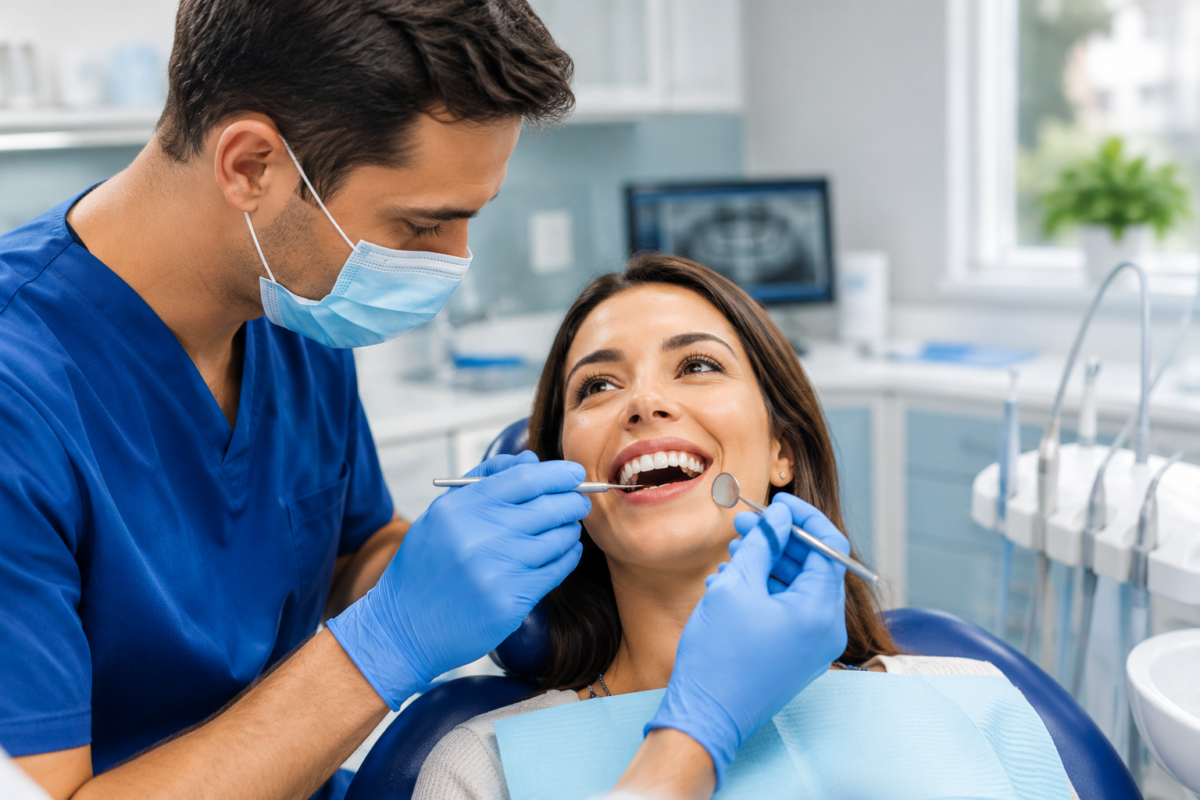
How to Prepare for a Professional Dental Cleaning
Preparing for your appointment is simple, but a few small steps can help make the visit more comfortable and productive.
Before your appointment:
- Brush and floss your teeth as usual.
- Bring a list of current medications.
- Inform your dentist about any recent medical conditions or surgeries.
- Mention any tooth sensitivity, bleeding gums, or pain you’ve experienced.
- Arrive a few minutes early to complete any necessary paperwork.
- If you have dental anxiety, let the dental team know before your appointment so they can help you feel more comfortable.
Good communication allows your dentist or hygienist to tailor the cleaning to your specific needs.
Step 1: Reviewing Your Medical and Dental History
Every professional dental cleaning begins with a review of your medical and dental history. Although this step may seem routine, it plays an important role in providing safe and personalized care.
Your dental team may ask questions about:
- Current medications
- Allergies
- Pregnancy
- Diabetes
- Heart conditions
- Previous dental procedures
- Tooth sensitivity
- Bleeding gums
- Jaw discomfort
- Changes in your oral health
Certain medications and health conditions can affect your gums, increase the risk of infection, or influence the type of dental care you receive. Sharing accurate information helps your dentist plan the safest and most effective treatment.
If you’ve noticed symptoms such as persistent bad breath, loose teeth, or pain while chewing, this is the ideal time to discuss them before the cleaning begins.
Step 2: Comprehensive Oral Examination
Once your medical history has been reviewed, the dentist or dental hygienist performs a thorough examination of your mouth.
During the examination, they will check for:
- Plaque and tartar buildup
- Tooth decay
- Gum inflammation
- Bleeding gums
- Gum recession
- Worn or cracked teeth
- Existing dental restorations
- Signs of teeth grinding
- Bite alignment
- Soft tissue health
Many dental offices also perform an oral cancer screening during routine examinations. This involves checking the tongue, cheeks, lips, palate, throat, and surrounding tissues for unusual sores, lumps, or changes that may require further evaluation.
The examination helps determine whether a routine cleaning is appropriate or if additional treatment, such as periodontal therapy or restorative care, may be recommended.
Step 3: Digital X-Rays (If Necessary)
Not every cleaning appointment requires dental X-rays. However, they may be recommended if it’s your first visit, you’ve gone several years without imaging, or your dentist needs a closer look at areas that aren’t visible during a clinical examination.
Digital X-rays can help identify:
- Cavities between teeth
- Bone loss around teeth
- Impacted wisdom teeth
- Hidden infections
- Cracked teeth
- Abscesses
- Failing dental restorations
- Developing dental problems
Because digital X-rays use significantly less radiation than traditional film X-rays, they are a safe and valuable diagnostic tool for most patients.
The information gathered from these images helps your dentist create a treatment plan tailored to your oral health needs.
Step 4: Plaque and Tartar Removal (Scaling)
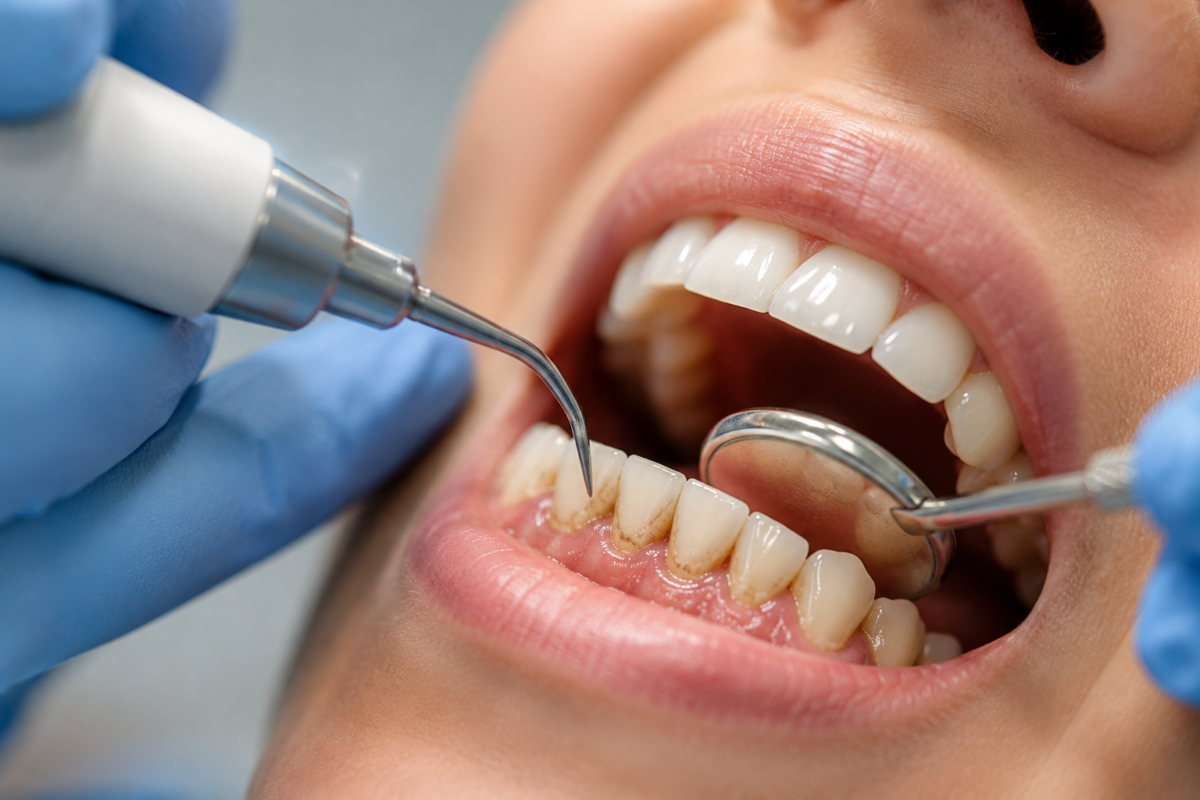
Scaling is the most important part of a professional dental cleaning.
During this stage, the dental hygienist carefully removes plaque and hardened tartar from the surfaces of your teeth and around the gumline using specialized hand instruments or an ultrasonic scaler.
An ultrasonic scaler uses gentle vibrations and a stream of water to loosen stubborn tartar deposits while flushing away bacteria and debris. Hand instruments may then be used to clean areas that require additional precision.
The amount of scaling needed depends on how much tartar has accumulated since your last dental visit. Patients who maintain regular cleanings generally require less scaling than those who have gone several years without professional care.
Although you may hear scraping sounds during this part of the procedure, these noises are completely normal. Most patients experience little to no discomfort, though mild sensitivity can occur if there is significant tartar buildup or gum inflammation.
By removing harmful bacteria and tartar, scaling helps protect your teeth, reduce gum inflammation, and create a healthier environment for your gums to heal.
Step 5: Professional Teeth Polishing
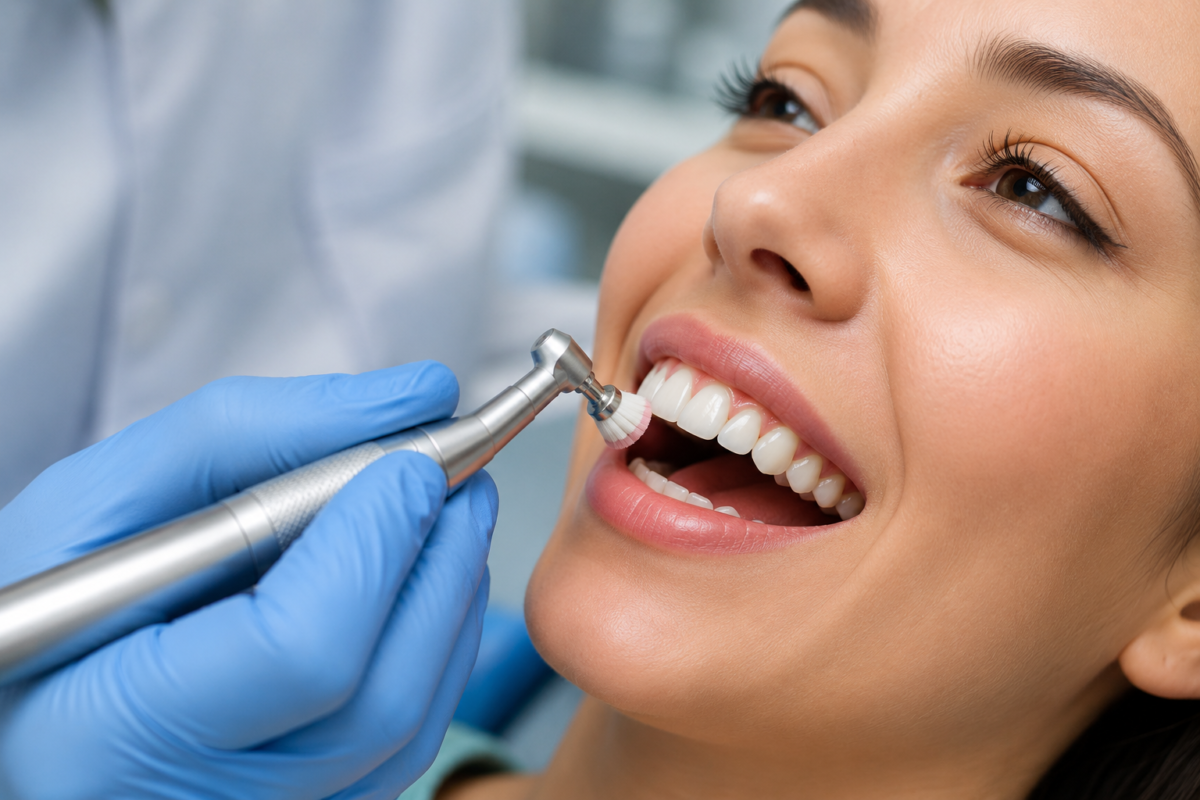
After plaque and tartar have been removed, the next step is professional teeth polishing. This process smooths the surface of your teeth and removes minor stains caused by coffee, tea, red wine, or tobacco.
A dental hygienist uses a slow-speed handpiece fitted with a soft rubber polishing cup and a mildly abrasive polishing paste. The paste gently buffs the tooth surfaces without damaging healthy enamel.
Benefits of Professional Teeth Polishing
- Removes surface stains for a brighter smile
- Smooths tooth surfaces to make it harder for plaque to stick
- Leaves teeth feeling clean and polished
- Improves overall oral hygiene
- Completes the cleaning process after scaling
While polishing can make teeth appear cleaner and slightly brighter, it is not the same as professional teeth whitening. Whitening treatments are designed to lighten the natural shade of your teeth, whereas polishing removes only external stains.
Step 6: Expert Flossing
Once polishing is complete, your dental hygienist will floss between each tooth using professional flossing techniques.
Although this step may seem simple, it serves several important purposes.
Professional flossing helps:
- Remove any remaining polishing paste
- Eliminate plaque missed during cleaning
- Remove debris trapped between teeth
- Check for bleeding or gum inflammation
- Demonstrate proper flossing technique if needed
If your gums bleed during flossing, it may indicate inflammation caused by plaque buildup. Regular brushing, flossing, and professional cleanings often help improve gum health over time.
Step 7: Fluoride Treatment
Depending on your oral health needs, your dentist may recommend a fluoride treatment at the end of your appointment.
Fluoride is a naturally occurring mineral that strengthens tooth enamel and helps protect against cavities.
The fluoride may be applied as:
- Gel
- Foam
- Varnish
- Protective rinse
The application usually takes only a few minutes.
Benefits of Fluoride Treatment
- Strengthens weakened enamel
- Helps prevent cavities
- Reduces tooth sensitivity
- Protects recently cleaned teeth
- Supports long-term oral health
After treatment, your dentist may advise waiting 30 minutes before eating or drinking to allow the fluoride to fully absorb.
Final Dental Examination and Personalized Recommendations
Before your appointment ends, your dentist will review the results of the cleaning and examine your teeth and gums one final time.
During this evaluation, they may discuss:
- Areas that need better brushing or flossing
- Signs of early tooth decay
- Gum health
- Worn fillings or crowns
- Teeth grinding
- Bite alignment
- Wisdom teeth concerns
- Cosmetic treatment options, if requested
If additional treatment is needed, your dentist will explain the findings and recommend the most appropriate next steps.
This personalized guidance helps you maintain healthy teeth between appointments.
Does a Professional Dental Cleaning Hurt?
One of the most common concerns patients have is whether a dental cleaning will be painful.
For most people, the answer is no. Routine professional dental cleanings are generally comfortable and involve little to no pain.
However, you may experience mild sensitivity if you have:
- Heavy tartar buildup
- Inflamed gums
- Gum recession
- Sensitive teeth
- A long gap since your last cleaning
During scaling, you may notice light scraping sensations or vibration from the ultrasonic scaler. These sensations are normal and usually well tolerated.
If you feel uncomfortable at any point, let your dentist or hygienist know. They can adjust their technique, take breaks, or discuss options to make the procedure more comfortable.
Any mild sensitivity typically resolves within a day or two.
How Long Does a Professional Dental Cleaning Take?
The length of your appointment depends on your oral health and the amount of cleaning required.
Routine Cleaning
Most regular cleanings take 30 to 60 minutes.
First Dental Visit
Your first appointment may last 60 to 90 minutes, especially if dental X-rays and a comprehensive examination are needed.
Patients with Significant Tartar
If there is extensive plaque or tartar buildup, additional cleaning time may be necessary.
Deep Cleaning
Patients with gum disease may require scaling and root planing, often completed over multiple appointments.
Benefits of Professional Dental Cleaning
Professional cleanings provide far more than cosmetic improvements. They play a key role in protecting your long-term oral health.
Helps Prevent Cavities
Removing plaque reduces harmful bacteria that produce acids responsible for tooth decay.
Lowers the Risk of Gum Disease
Clean teeth and healthy gums reduce inflammation and help prevent gingivitis from progressing into periodontal disease.
Removes Tartar That Cannot Be Cleaned at Home
Even excellent brushing cannot remove hardened tartar. Professional instruments are required for safe removal.
Freshens Breath
By eliminating bacteria and food debris, professional cleanings help reduce persistent bad breath.
Brightens Your Smile
Removing external stains helps restore a cleaner, healthier-looking smile.
Detects Dental Problems Early
Routine examinations often identify problems before they become painful or require extensive treatment.
Early diagnosis can reduce both treatment time and long-term costs.
Supports Overall Health
Healthy gums contribute to better oral health and may reduce inflammation associated with certain systemic health conditions.
Maintaining a healthy mouth is an important part of your overall wellness.
Professional Dental Cleaning vs. Deep Cleaning
Many people confuse routine cleanings with deep cleanings, but they serve different purposes.
| Feature | Professional Dental Cleaning | Deep Cleaning (Scaling & Root Planing) |
|---|---|---|
| Purpose | Preventive care | Treat gum disease |
| Recommended For | Healthy teeth and gums | Patients with periodontal disease |
| Removes Plaque | Yes | Yes |
| Removes Tartar | Yes | Yes, including below the gumline |
| Gum Pockets Treated | No | Yes |
| Local Anesthesia | Usually not needed | Often required |
| Number of Visits | Usually one | Often two or more |
| Recovery Time | Minimal | Several days of mild tenderness |
Your dentist will recommend the appropriate treatment based on the condition of your gums.
What Should You Do After a Professional Dental Cleaning?
Proper aftercare helps maintain the benefits of your cleaning and supports healthy teeth and gums.
Follow These Simple Tips
- Continue brushing twice a day using fluoride toothpaste.
- Floss daily to remove plaque between teeth.
- Drink plenty of water throughout the day.
- Avoid smoking or tobacco products.
- Limit sugary foods and drinks.
- If fluoride was applied, wait at least 30 minutes before eating or drinking.
- Eat a balanced diet rich in fruits, vegetables, dairy products, and lean proteins.
- Schedule your next routine dental cleaning before leaving the office.
If your teeth feel slightly sensitive after the appointment, this is usually temporary and should improve within a day or two.
Signs You May Need a Professional Dental Cleaning
Even if you’re unsure when your last appointment was, certain symptoms suggest it’s time to visit your dentist.
Common signs include:
- Bleeding while brushing or flossing
- Persistent bad breath
- Yellow or brown tartar buildup near the gums
- Swollen or tender gums
- Tooth sensitivity
- Visible stains on teeth
- A rough feeling on the teeth
- It’s been more than six months since your last cleaning
Ignoring these signs can allow plaque and tartar to accumulate, increasing the risk of cavities and gum disease.
Regular preventive care is the best way to maintain a healthy smile and avoid more complex dental treatments in the future.

Frequently Asked Questions
1. What happens during a professional dental cleaning?
A professional dental cleaning typically includes an oral examination, removal of plaque and tartar (scaling), teeth polishing, professional flossing, and, when appropriate, a fluoride treatment. Your dentist will also evaluate your overall oral health and recommend any additional care if needed.
2. How often should I get a professional dental cleaning?
Most people benefit from a professional dental cleaning every six months. However, patients with gum disease, diabetes, braces, dental implants, or a higher risk of cavities may need more frequent cleanings based on their dentist’s recommendation.
3. Does a professional dental cleaning hurt?
Routine dental cleanings are generally comfortable. Some people may experience mild sensitivity if they have inflamed gums, heavy tartar buildup, or sensitive teeth. Any discomfort is usually temporary and improves within a day or two.
4. How long does a dental cleaning appointment take?
A routine cleaning usually takes 30 to 60 minutes. First-time visits or appointments that include X-rays and a comprehensive examination may take 60 to 90 minutes.
5. Can professional dental cleanings whiten teeth?
Professional cleanings remove surface stains caused by foods, drinks, and tobacco, making your smile look brighter. However, they do not change the natural color of your teeth. If you’re looking for a noticeably whiter smile, ask your dentist about professional teeth whitening.
6. What’s the difference between a regular cleaning and a deep cleaning?
A regular dental cleaning helps prevent oral health problems by removing plaque and tartar above the gumline. A deep cleaning, also known as scaling and root planing, is recommended for patients with gum disease and involves cleaning below the gumline to remove bacteria and smooth the tooth roots.
7. Can I eat after a dental cleaning?
Yes. If you did not receive a fluoride treatment, you can usually eat right away. If fluoride was applied, your dentist may recommend waiting about 30 minutes before eating or drinking.
8. Is a professional dental cleaning safe during pregnancy?
Yes. Routine dental cleanings are generally safe and recommended during pregnancy because maintaining healthy gums can support overall oral health. Be sure to inform your dental team if you are pregnant so they can tailor your care appropriately.
9. Why is tartar removal important?
Tartar provides a rough surface where bacteria can accumulate, increasing the risk of cavities and gum disease. Since tartar cannot be removed with brushing or flossing alone, professional cleaning is necessary to keep your teeth and gums healthy.
10. What happens if I skip regular dental cleanings?
Skipping routine cleanings allows plaque and tartar to build up over time, increasing your risk of cavities, gum disease, persistent bad breath, tooth loss, and more extensive dental treatment in the future.
11. Can children get professional dental cleanings?
Yes. Regular dental cleanings are an important part of preventive dental care for children. They help remove plaque, monitor tooth development, and encourage healthy oral hygiene habits from an early age.
12. How can I keep my teeth clean between dental visits?
Maintain good oral hygiene by:
- Brushing twice a day with fluoride toothpaste
- Flossing daily
- Limiting sugary foods and drinks
- Drinking plenty of water
- Eating a balanced diet
- Visiting your dentist for routine checkups and cleanings
Common Myths About Professional Dental Cleanings
Myth: If I brush every day, I don’t need professional cleanings.
Fact: Brushing and flossing are essential, but they cannot remove hardened tartar. Professional cleanings remove buildup that home care cannot.
Myth: Dental cleanings damage tooth enamel.
Fact: Professional cleanings are designed to safely remove plaque and tartar without harming healthy enamel when performed by trained dental professionals.
Myth: Dental cleanings are only necessary if my teeth hurt.
Fact: Many dental problems, including cavities and early gum disease, develop without noticeable symptoms. Routine cleanings help detect and treat these issues early.
Myth: Bleeding gums during cleaning mean something is wrong with the procedure.
Fact: Bleeding gums are often a sign of inflammation caused by plaque buildup. Regular professional cleanings and good oral hygiene can help improve gum health over time.
Tips to Maintain a Healthy Smile Between Dental Visits
Healthy habits at home play a major role in protecting your teeth and gums.
Brush Properly
Brush your teeth twice daily for at least two minutes using a soft-bristled toothbrush and fluoride toothpaste.
Floss Every Day
Daily flossing removes plaque and food particles from areas your toothbrush cannot reach.
Choose Tooth-Friendly Foods
A balanced diet that includes fruits, vegetables, dairy products, lean proteins, and whole grains supports strong teeth and healthy gums.
Stay Hydrated
Drinking water throughout the day helps rinse away food particles and supports saliva production, which naturally protects your teeth.
Avoid Tobacco Products
Smoking and other tobacco products increase the risk of gum disease, tooth discoloration, bad breath, and oral cancer.
Keep Regular Dental Appointments
Routine dental examinations and professional cleanings allow your dentist to monitor your oral health and address concerns before they become more serious.
Conclusion
Professional dental cleanings are one of the simplest and most effective ways to maintain a healthy smile. While daily brushing and flossing are essential, they cannot remove hardened tartar or identify hidden dental problems. Regular cleanings help prevent cavities, protect your gums, remove surface stains, and support long-term oral health.
Understanding what happens during a professional dental cleaning can make your next appointment feel more comfortable and help you appreciate the value of preventive dental care. By combining good oral hygiene habits at home with routine dental visits, you can reduce the risk of future dental problems and keep your smile healthy for years to come.
If it has been more than six months since your last cleaning, consider scheduling an appointment with your dentist. Preventive care today can help you avoid more complex treatments in the future.
