
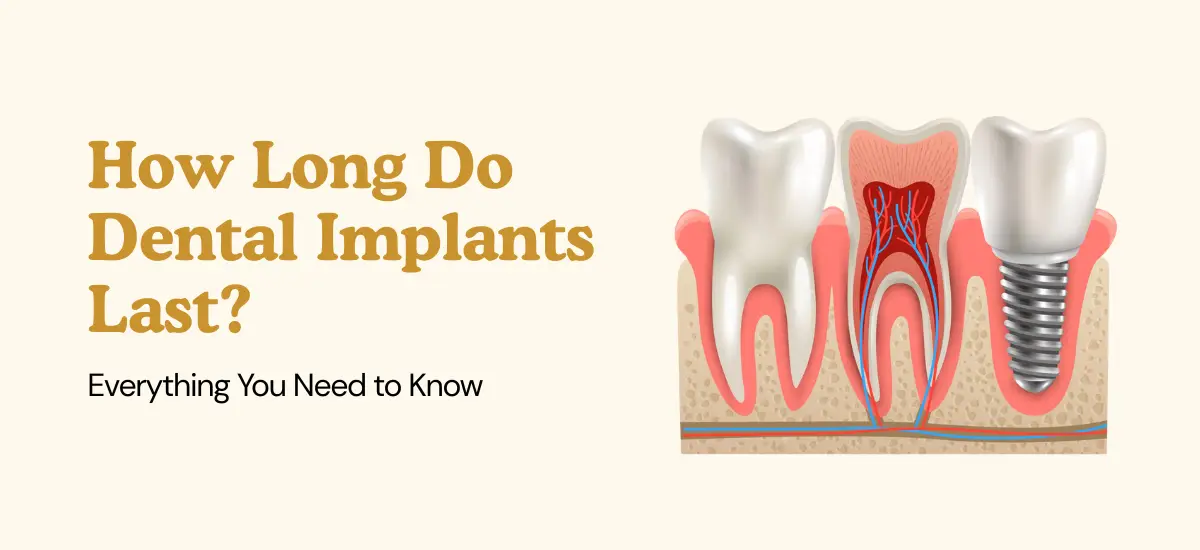
Having missing teeth may impact your self-confidence, oral health, and comfort when eating your favorite meals. Fortunately, with today’s advanced dental technology, you may enjoy a long-lasting remedy for your problem with dental implants. Like many other dental implant candidates, you may ask yourself an essential question: How long do dental implants last?
Dental implants are considered one of the longest-lasting and most dependable options for replacing your missing teeth today. They may last for many years, if not a lifetime, with proper oral hygiene and professional dental treatment.
Here, we will discuss how long dental implants last, what factors affect their lifespan, and how you can extend their lifespan for long-term success.
Table of Contents
What Are Dental Implants?
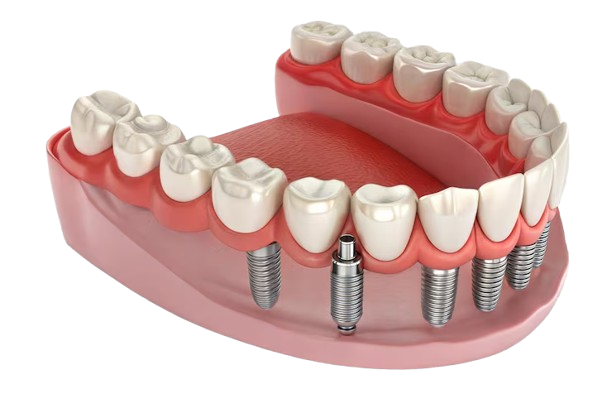
Dental implants are artificial roots made of titanium that are implanted into the jawbone to support artificial teeth, crowns, bridges, or dentures.
A dental implant consists of three main components:
1. Implant Post
This is the titanium screw implanted into the jawbone during surgery, serving as the artificial root of the tooth.
2. Abutment
The abutment connects the implant post to the crown or artificial tooth.
3. Dental Crown
The crown is the visible part of the tooth that restores function and aesthetics.
Dental implants have gained popularity due to their ability to look, feel, and function like real teeth, making them the most advanced technology for tooth replacement.
How Long Do Dental Implants Typically Last?
One of the biggest advantages of dental implants is their durability.
Implant Post Lifespan
The implant itself may last for 25 years or more, and in many instances, it may last a lifetime if properly cared for.
Dental Crown Lifespan
The crown, which is placed on the implant, may last 10 to 15 years, depending on how well you care for your teeth and maintain your oral hygiene. The crowns may need to be replaced at some point as they wear out.
The implant fuses with your jawbone through a process called osseointegration, becoming a permanent part of your oral structure.
Factors That Affect the Lifespan of Dental Implants
Although dental implants are extremely durable, several factors can influence how long they last.
1. Oral Hygiene
Good oral hygiene is essential for the longevity of the implant. Brushing teeth at least twice a day, flossing, and scheduled dental checkups will help prevent infection that could jeopardize the implant.
2. Gum Health
Gum health is vital for supporting the implant. Periodontal Disease, if left untreated, will weaken the gums and the implant.
3. Bone Density
Stable support from the jawbone is necessary for the implant’s stability. Patients with higher jawbone density tend to have a higher success rate with implants.
4. Lifestyle Habits
Smoking, excessive alcohol consumption, and teeth grinding can reduce the lifespan of dental implants.
5. Professional Dental Care
Professional cleanings and checkups will help detect problems and ensure the implant remains in excellent condition.
Success Rate of Dental Implants
Dental implants are considered among the most successful procedures in dentistry.
Research has shown that the success rate of dental implants is between 95 and 98 percent, provided they are performed by experienced dental professionals and the patient maintains them properly.
Since the implant is attached to the jawbone, it is also the most stable option, unlike other types of dentures or bridges.
Benefits of Long-Lasting Dental Implants
Dental implants provide several long-term benefits compared to other tooth replacement options.
Natural Appearance
Implants are designed to match your natural teeth, providing a seamless and attractive smile.
Improved Chewing Ability
Unlike dentures, implants allow you to eat your favorite foods comfortably.
Bone Preservation
Dental implants help prevent jawbone shrinkage that would otherwise occur when a tooth is missing.
Long-Term Cost Effectiveness
Although the cost of implants is higher initially, their longevity makes the option cost-effective in the long run.
How to Make Dental Implants Last Longer
If you want your implants to last as long as possible, follow these simple care tips.
Maintain Excellent Oral Hygiene
Brush twice daily using a soft-bristled toothbrush and floss regularly.
Visit Your Dentist Regularly
Routine checkups allow your dentist to monitor the health of your implants and surrounding gums.
Avoid Hard Foods
Chewing extremely hard foods like ice or hard candies can damage crowns.
Stop Smoking
Smoking slows healing and increases the risk of implant failure.
Use a Night Guard if Needed
Patients who grind their teeth may benefit from a protective night guard.
Are Dental Implants Worth It?
Dental implants are well worth the investment for most patients. They offer a long-term, natural aesthetic solution that benefits both oral health and overall quality of life.
Dental implants are more stable, comfortable, and durable than other types of dentures and bridges.
Many dental implant patients experience improved self-confidence, speech, and comfort.
When Should You Consider Dental Implants?
You may be a good candidate for dental implants if you:
- Have one or more missing teeth
- Have healthy gums
- Have sufficient jawbone density
- Want a permanent tooth replacement option
A professional dental consultation can determine whether implants are the right solution for your needs.
Frequently Asked Questions
How long do dental implants usually last?
Dental implants are designed to last a long time. Therefore, if the patient takes good care of the implant and undergoes regular checkups, the implant can last for 25 years or even a lifetime. However, the crown attached to the implant may need to be replaced after 10 to 15 years due to wear.
Are dental implants permanent?
This is because dental implants have been considered a permanent tooth replacement since they fuse with the jawbone. However, it should be noted that the crown placed on top of dental implants must be replaced after a few years.
What can cause a dental implant to fail?
Despite having a very high success rate, dental implants may fail for reasons such as poor oral hygiene, gum disease, smoking, teeth grinding, and insufficient bone support for the implant.
Do dental implants require special care?
Dental implants should be cared for in the same way as your natural teeth. Brushing your teeth twice a day, flossing once a day, and regular dental checkups will help ensure your dental implants remain healthy for many years to come.
Are dental implants better than dentures?
Generally, dental implants are considered a better long-term option than dentures, as they are permanent and do not cause jawbone loss.
Who is a good candidate for dental implants?
Healthy adults who are missing teeth are usually good candidates for dental implants. One must be in good health, with healthy gums and a sufficient jawbone to support dental implants. A dentist can provide a consultation to determine if dental implants are the best option.
Do dental implants look natural?
Dental implants are designed to look and feel like your natural teeth. The crown is custom-designed to resemble the color, shape, and size of your other teeth for a natural smile.
Conclusion
Dental implants are among the most durable and reliable ways to replace missing teeth. The implant itself will last 25 years or a lifetime, whereas the crown will need to be replaced in 10 years or more.
Good oral hygiene, regular dental check-ups, and healthy lifestyle practices are the main factors that contribute to the success of dental implants.
If you are planning to get dental implants and want to know the best way forward, then the first step is to consult a dental expert.
