

Root Canal Treatment in Stamford, CT
Save Your Natural Tooth & Relieve Dental Pain
If you are experiencing persistent tooth pain, sensitivity to hot or cold foods, swelling, or discomfort while chewing, root canal treatment may help save your natural tooth and restore comfort.
At Stamford Dental Studio, our team focuses on gentle, modern root canal treatment designed to remove infection, relieve pain, and protect your long-term oral health. Our goal is to make treatment comfortable while helping you preserve your natural smile.
What Is a Root Canal?
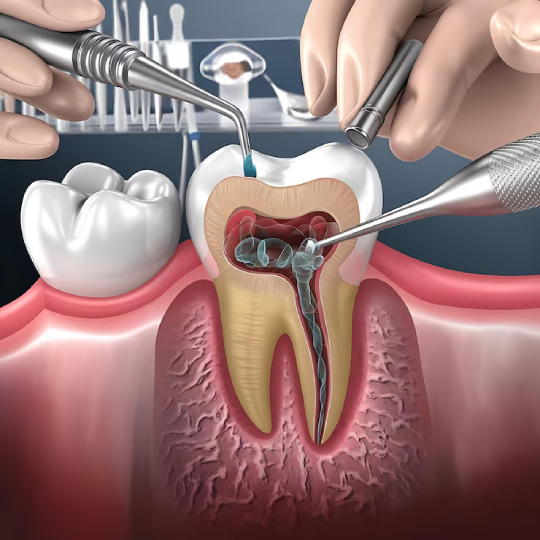
A root canal is a dental procedure used to treat infection or inflammation inside a tooth. Inside each tooth is soft tissue called pulp that contains nerves and blood vessels.
When the pulp becomes infected because of:
- Deep cavities
- Cracked teeth
- Trauma or injury
- Repeated dental procedures
- Untreated decay
the infection can spread and cause severe discomfort.
Root canal therapy removes the damaged tissue, cleans the inside of the tooth, and seals it to help prevent future infection.
Signs You May Need Root Canal Treatment
You may need evaluation if you notice:
✓ Persistent tooth pain
✓ Sensitivity to hot or cold temperatures
✓ Swollen or tender gums
✓ Pain while chewing
✓ Darkening of a tooth
✓ Tooth abscess or infection
✓ Gum swelling near a tooth
Even if pain comes and goes, early treatment may help avoid more extensive procedures.
Benefits of Root Canal Therapy
Preserve Your Natural Tooth
Saving your original tooth helps maintain natural function and appearance.
Relieve Dental Pain
Treatment removes infected tissue and addresses the source of discomfort.
Prevent Infection Spread
Early treatment may help prevent surrounding teeth and tissue from being affected.
Restore Normal Function
After restoration, many patients return to eating and speaking comfortably.
Our Root Canal Process
1. Examination & Digital Imaging
Your dentist evaluates the tooth and confirms whether root canal therapy is recommended.
2. Comfortable Treatment
The infected pulp is removed while keeping the surrounding tooth structure intact.
3. Cleaning & Sealing
The inside of the tooth is cleaned and sealed.
4. Final Restoration
A filling or dental crown may be placed depending on the condition of the tooth.
Root Canal vs Tooth Extraction
Many patients wonder whether they should remove the tooth instead.
Root canal treatment often allows you to:
- Maintain natural chewing ability
- Avoid shifting of nearby teeth
- Reduce future restorative needs
- Preserve jaw structure
Your dentist can recommend the best option based on your condition.
Root Canal Recovery
Most patients return to normal activities shortly after treatment.
Recovery tips:
- Avoid chewing on the treated side initially
- Take medications only as directed
- Maintain brushing and flossing
- Attend follow-up visits
Root Canal Cost in Stamford, CT
Treatment cost varies depending on:
- Tooth location
- Complexity of treatment
- Need for crown restoration
- Insurance coverage
Our team can discuss treatment options and available payment information during your consultation.
Why Choose Stamford Dental Studio
- Patient-focused care
- Modern dental technology
- Comfortable treatment approach
- Personalized treatment plans
- Convenient appointment scheduling
Frequently Asked Questions
Is root canal treatment painful?
Modern root canal treatment is designed to improve comfort and address the source of dental pain.
How long does treatment take?
Many cases can be completed in one or two visits depending on complexity.
Can a root canal save my tooth?
Root canal therapy is intended to preserve natural teeth whenever appropriate.
How long does a treated tooth last?
With proper care and restoration, treated teeth can remain functional for many years.
When should I call a dentist?
If you experience swelling, severe pain, or signs of infection, schedule an evaluation.