
Dental Implants in Stamford, CT | Permanent Tooth Replacement
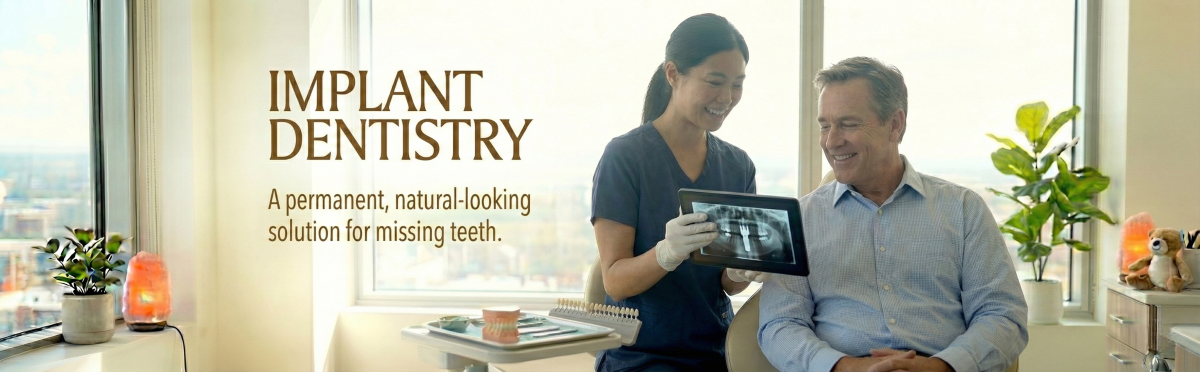
Dental Implants in Stamford, CT
Missing teeth can change how you eat, speak, and clean your teeth. They may also affect the way pressure is distributed when chewing.
At Stamford Dental Studio, dental implant treatment is offered for patients looking to replace missing teeth with a fixed solution. Treatment recommendations are based on your oral health, existing teeth, gum condition, and treatment goals.
Reviewed by Dr. Joshua Matatov
What Are Dental Implants?
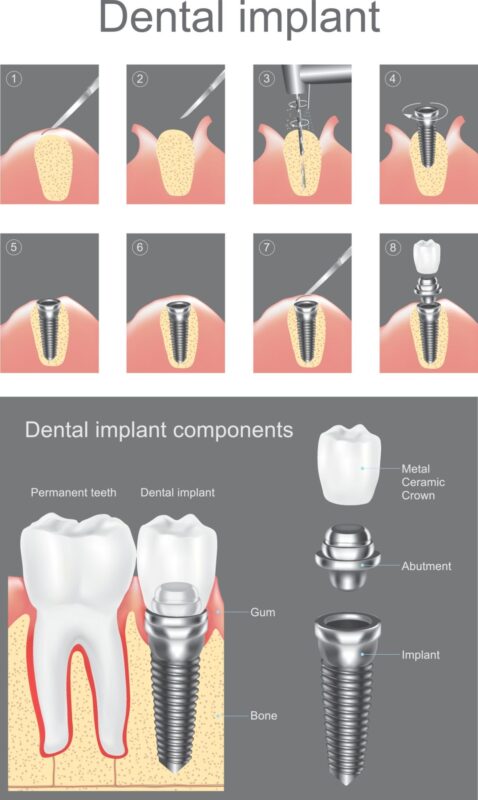
A dental implant replaces the root of a missing tooth.
The implant is placed into the jawbone and later connected to a custom restoration. Depending on treatment needs, this may be a crown, bridge, or denture.
Dental implants are commonly used to replace one tooth, several teeth, or support full-arch restoration.
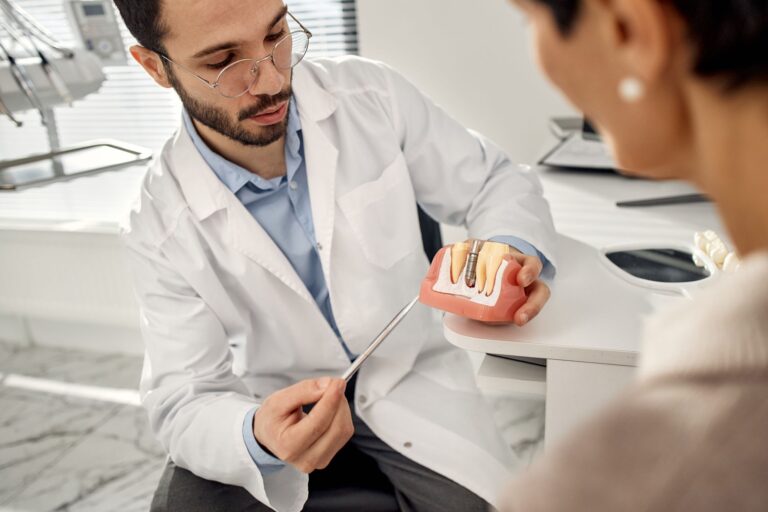
Why Patients Consider Dental Implants
Patients often ask about implants when they want to:
- Replace missing teeth
- Avoid movement associated with removable appliances
- Improve chewing function
- Support appearance after tooth loss
- Restore areas where teeth are missing
Whether implants are appropriate depends on clinical evaluation.
Who May Qualify for Dental Implants?
Eligibility depends on several factors, including:
- Oral health condition
- Gum support
- Bone availability
- Number of missing teeth
- Treatment objectives
During consultation, your dentist evaluates these factors before making recommendations.
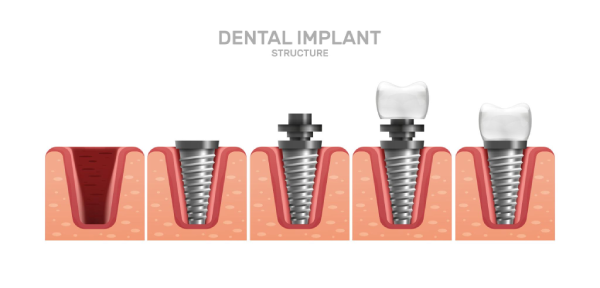
Dental Implant Treatment Process
Consultation
Review of dental history, examination, and imaging.
Planning
Selection of treatment approach based on findings.
Implant Placement
Placement of the implant into the treatment area.
Restoration
Attachment of the final restoration after healing.
Treatment timelines differ depending on individual conditions.
Common Questions
How long does treatment take?
Treatment duration varies based on healing and complexity.
Are implants permanent?
Implants are designed as a long-term tooth replacement option but require ongoing maintenance.
Will I need additional procedures?
Some patients may require additional treatment depending on oral conditions.
Reviewed by Dr. Joshua Matatov
This page provides general educational information and is reviewed for accuracy. Treatment recommendations are made after individual evaluation.