
Pre & Post-Operative Laser Dentistry Instructions
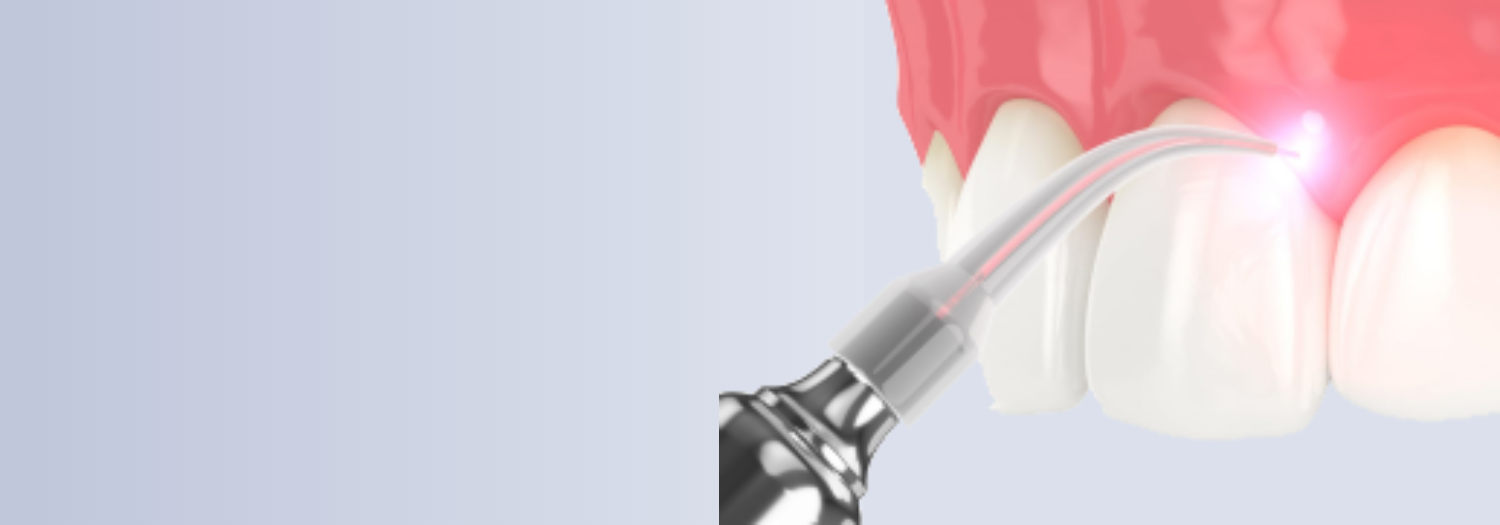
Laser dentistry uses focused light energy to treat gum disease and reshape soft tissue. It can remove decay and do other procedures with more precision and less trauma. When compared with conventional methods, laser treatment typically causes less bleeding, less pain, and quicker healing.
This detailed guide will help you prepare properly and recover smoothly.
Understanding Laser Dentistry
Laser dental procedures are commonly used for:
- Periodontal treatment to manage gum disease
- Gum reshaping and contour correction
- Tooth decay removal (in specific cases)
- Management of oral sores, lesions, or infections
Because lasers seal blood vessels and nerve endings, patients usually have less pain and swelling.
PRE-OPERATIVE INSTRUCTIONS (BEFORE YOUR APPOINTMENT)
Proper preparation improves safety, comfort, and treatment success.
1. Oral Hygiene Preparation
- Brush your teeth carefully 2–3 hours before your appointment
- Floss to clear away food debris lodged between teeth
- Skip strong mouthwashes unless your dentist specifically recommends them
A cleaner mouth lowers bacteria levels and helps promote smoother, faster healing.
2. Eating & Drinking Guidelines
- Have a light, well-balanced meal before your visit
- Don’t arrive hungry unless your dentist advises fasting
- Drink plenty of water to remain hydrated
If sedation is planned:
- Follow strict fasting instructions (usually 6–8 hours)
3. Avoid Before Treatment
- No smoking for at least 24–48 hours before
- Avoid alcohol for 24 hours
- Limit caffeine (can increase anxiety or sensitivity)
4. Medications & Medical Conditions
Inform your dentist if you:
- Take blood thinners
- Have diabetes, heart disease, or immune conditions
- Are pregnant or breastfeeding
Follow instructions regarding:
- Antibiotics (if prescribed)
- Pain prevention medication
5. Day of Appointment Tips
- Wear comfortable clothing
- Avoid heavy makeup or lipstick
- Arrive 10–15 minutes early
- Bring medical records if needed
WHAT HAPPENS DURING LASER DENTISTRY
Understanding the procedure helps reduce anxiety.
- You will be supplied with protective eye shields
- A dental laser accurately focuses on the specific treatment site
- Little to no anesthesia might be needed (depending on the procedure)
- Little to no bleeding occurs because laser sealing tissues.
Most patients report a warm sensation or mild tingling, not pain.
POST-OPERATIVE INSTRUCTIONS (AFTER YOUR TREATMENT)
Following these steps is critical for proper healing.
1. First 24 Hours (Critical Period)
- Don’t rub, prod, or interfere with the treated area
- Refrain from vigorous rinsing
- Avoid forceful spitting
- Rest up and skip strenuous exercise
You may notice:
- Mild soreness
- Light swelling
- Temporary sensitivity
These reactions are typical and generally fade quickly.
2. Diet & Nutrition Guidelines
Recommended Foods
- Yogurt
- Smoothies (no straw if gum treated)
- Lukewarm soups
- Mashed potatoes
- Scrambled eggs
- Soft fruits (banana, avocado)
Foods to Avoid
- Crunchy foods (chips, nuts)
- Spicy foods
- Acidic foods (citrus, vinegar)
- Very hot beverages
Follow a soft diet for at least 2–3 days.
3. Oral Hygiene After Treatment
- Continue brushing gently twice daily
- Avoid brushing directly on treated area for first 24 hours
- Resume gentle cleaning after that
- Use prescribed antimicrobial mouth rinse if given
Good hygiene = faster healing + lower infection risk
4. Pain & Swelling Management
- Slight soreness is common for 1–3 days
- Take your prescribed medicines exactly as instructed
- Apply a cold pack (10 minutes on/off) if swelling develops
Avoid aspirin unless your provider advises it, as it may increase bleeding.
5. Smoking & Alcohol Restrictions
- Refrain from smoking for at least 72 hours (ideally longer)
- Steer clear of alcohol for 48 hours
Smoking greatly slows healing and raises the risk of complications
HEALING & RECOVERY TIMELINE
- Day 1–2: Mild discomfort or sensitivity
- Day 3–5: Noticeable improvement
- 1 Week: Tissue healing well underway
- 2 Weeks: Near full recovery in most cases
Healing may vary depending on:
- Type of procedure
- Overall health
- Oral hygiene habits
WARNING SIGNS – WHEN TO CALL YOUR DENTIST
Contact your dental office immediately if you experience:
- Severe or worsening pain
- Persistent bleeding beyond 24 hours
- Swelling that increases after 2–3 days
- Fever or signs of infection
- Unusual discharge or bad taste
PRO TIPS FOR FASTER HEALING
- Stay hydrated
- Eat nutrient-rich foods
- Get enough rest
- Avoid touching treated area
- Follow all instructions strictly
FOLLOW-UP CARE
- Make sure to go to every planned follow-up visit
- Your dentist will track your healing and overall progress
- If necessary, you may receive extra care guidelines and instructions
NEED HELP?
If you have any questions or worries either before or after your treatment:
Contact your dental practice right away
Never disregard unexpected or unusual symptoms
FINAL THOUGHT
Laser dentistry is a modern, safe, and patient-friendly option over traditional dental procedures. With proper preparation and aftercare, you can enjoy:
✔ Faster healing
✔ Less discomfort
✔ Better treatment outcomes