
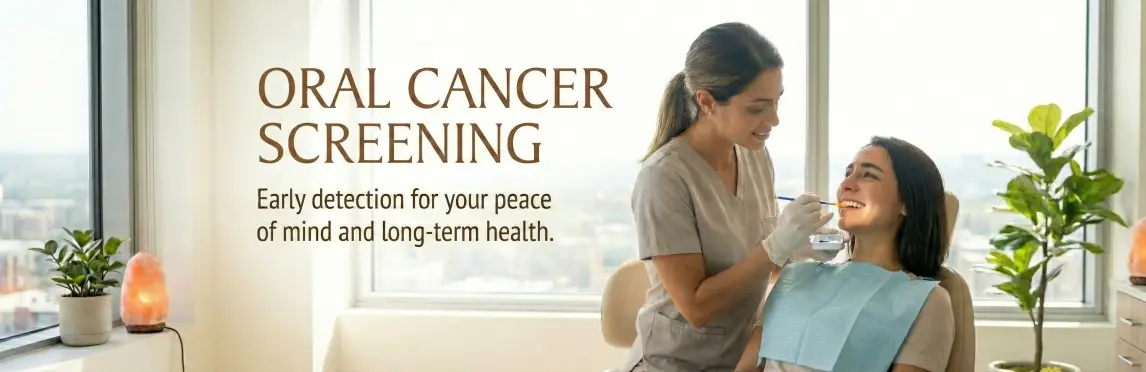

Oral Cancer Screening
Early Detection Can Save Lives
Oral cancer represents a relatively minor incidence of all cancers in the United States. Nevertheless, thousands of individuals are diagnosed with oral cancers annually, and early diagnosis can greatly improve the prognosis for these individuals.
At Stamford Dental Studio, we include an oral cancer screening as part of every comprehensive dental examination. This ensures we identify potential issues associated with oral cancers before treatment is provided.
What Is Oral Cancer?
Oral cancer can occur in any part of the mouth or in the surrounding regions of the head and neck. It most often occurs in the following areas:
-
The tongue
-
Tonsils and oropharynx
-
Gums
-
Floor of the mouth
-
Lips
-
Inner cheeks
-
Hard palate
While anyone can develop oral cancer, certain individuals are at higher risk.
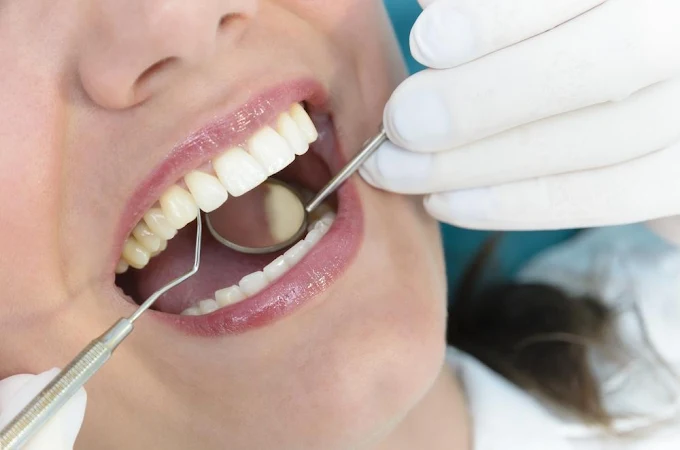
Risk Factors for Oral Cancer
Men are more likely than women to develop oral cancer, particularly men over the age of 50. Other risk factors include:
-
Tobacco use (smoking or chewing tobacco)
-
Heavy alcohol consumption
-
HPV (Human Papillomavirus) infection
-
Excessive sun exposure (particularly affecting the lips)
-
Gastroesophageal reflux disease (GERD)
-
Prior radiation therapy to the head and neck
-
Poor nutrition
-
Exposure to certain chemicals
While survival rates have improved due to early detection and advances in treatment, there has been an increase in the incidence of HPV-related oropharyngeal cancer in recent years.
Why Oral Cancer Screening Is Important
A professional assessment is vital since a lot of indicators of oral cancer at an early stage are asymptomatic and may not be detected unless examined early on. Increased treatment success rates and reduced risk of complications can be achieved by detecting changes earlier.
Routine screenings are quick, non-invasive, and can be life-saving.
What Happens During an Oral Cancer Screening?
At Stamford Dental Studio, we do an extensive screening for oral cancer as a part of your regular dental appointment during your comprehensive exam.
The process includes:
Medical History Review
We ask you about your previous medical and dental histories and inquire about any recent changes to your health or any signs or symptoms you have noticed since your last visit.
Visual and Physical Examination
We carefully examine the mouth, tongue, gums, cheeks, palate, and throat. We also check the head and neck area for lumps, swelling, discoloration, sores, or other abnormalities.
If anything is found to be abnormal, we will provide you with further evaluation methods that we recommend.
Signs and Symptoms to Watch For
Contact our office if you notice:
-
A sore that does not heal
-
Persistent mouth pain
-
Difficulty swallowing
-
Red or white patches in the mouth
-
Lumps in the neck or jaw
-
Numbness in the mouth or lips
Early evaluation is always the safest approach.
Frequently Asked Questions
What is an oral cancer screening?
An oral cancer screening is a painless, quick procedure performed by a dentist to detect signs of cancer or precancerous lesions in the mouth, throat, and surrounding areas. This is usually done as a part of a routine dental checkup.
How often should I get an oral cancer screening?
Oral cancer screening should be done on most adults at least once a year during their routine dental visit. Patients with more risk factors, such as smoking or exposure to HPV, may require screening more often.
Is oral cancer screening painful?
No. Oral cancer screening is completely non-invasive and painless. The dentist visually examines the mouth and gently checks the head and neck area for any abnormalities.
Who is at higher risk for oral cancer?
Individuals at greater risk include:
-
Tobacco users
-
Heavy alcohol consumers
-
Men over age 50
-
Individuals with HPV infection
-
People with prolonged sun exposure (lip cancer risk)
-
Patients with a history of head and neck radiation
However, oral cancer can occur in people without these risk factors, which is why routine screening is important
Why is early detection important?
When detected early, oral cancer is significantly easier to treat and has a much higher survival rate. Regular screenings allow potential problems to be identified before they become advanced.